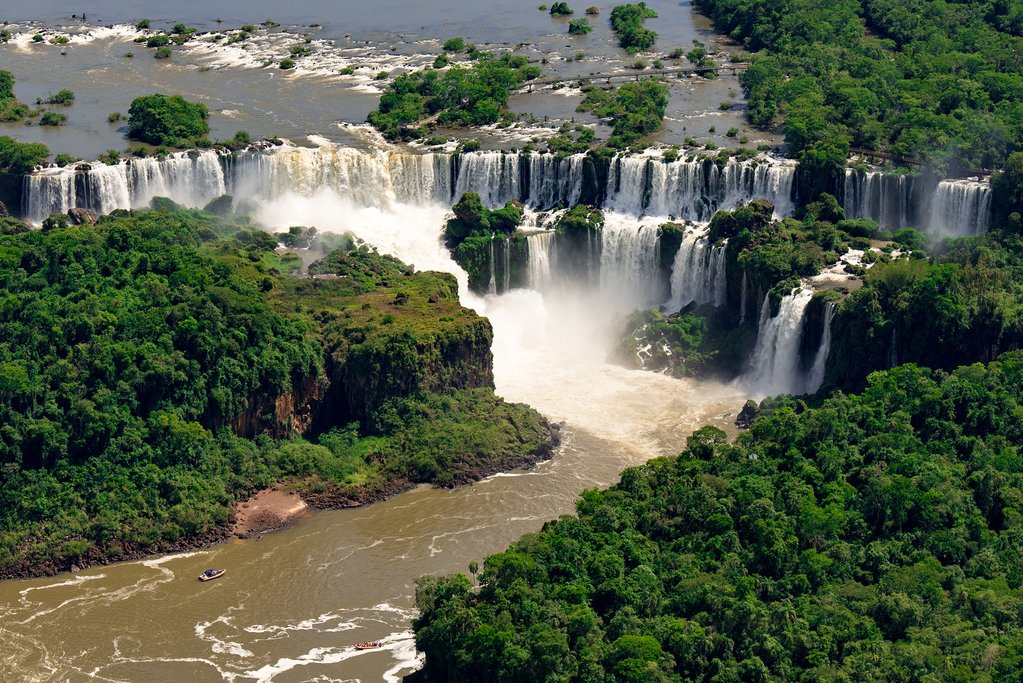
When is the best time to Visit Victoria Falls
Best time to Visit Victoria Falls, Victoria Falls One of the Seven Natural Wonders of the World, referred to locally as Mosi-oa-Tunya, or “The Smoke That Thunders,” is not only a breathtaking natural marvel but also a UNESCO World Heritage Site that enchants visitors worldwide. Located on the border of Zimbabwe and Zambia, this magnificent waterfall ranks among the largest and most renowned in the world, measuring over a mile in breadth and 355 feet in height. The immense quantity of water flowing over the cliffs generates a striking display, generating a mist visible from great distances and a resounding roar that reverberates across the surrounding terrain.
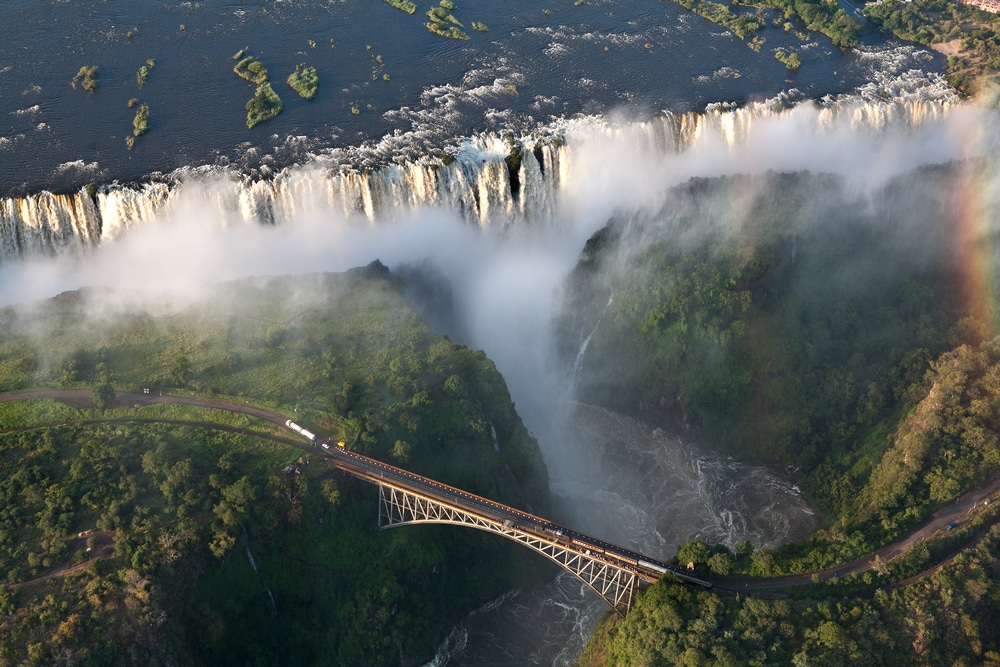
The sound of the cascading water resonates over great distances, while the adjacent evergreen savannah flourishes in the moist atmosphere, offering a vibrant contrast to the harsh terrain. As the sun ascends and descends, the falls undergo transformation, showcasing a diverse spectrum of hues from profound blues to vibrant oranges. The falls are a component of the Zambezi River, which traverses a varied habitat rich in animals, rendering the vicinity of Victoria Falls a dynamic center for wildlife enthusiasts. The rich cultural heritage of the indigenous population, along with the breathtaking natural landscapes, engenders an indelible experience that transcends a very brief stay.
Best time to Visit Victoria Falls Month By Month
January signifies the peak of the rainy season at Victoria Falls. The Zambezi River commences its ascent, as the falls begin to accumulate strength and magnitude. Anticipate elevated temperatures, high humidity, and frequent afternoon rain. The adjacent rainforest is verdant, rendering this an opportune moment for shooting. Nevertheless, mist from the falls may obstruct views from proximate sites. Adventure activities like as white-water rafting and Devil’s Pool are typically suspended due to safety considerations; however, sightseeing flights provide exceptional views of the swollen river.
February perpetuates the wet season with recurrent precipitation and progressively intense water flow. The cascades intensify in volume and force, while the adjacent landscapes are vivid and dynamic. Although activities within the gorge’s perimeter are restricted, this month is ideal for aerial excursions, cultural explorations, and tourists who favor cooler climates and reduced crowds. Anticipate midday precipitation and mild, cloudy conditions.
March approaches the waterfalls’ peak water level. This is when the magnitude and roar of Victoria Falls are at their most striking. The mist from the waterfall can be severe, particularly on the Zimbabwean side, necessitating the use of raincoats and waterproof cameras. Although rafting is currently halted, this month offers an exceptional opportunity to witness the unadulterated force of nature, particularly from an aerial perspective via microlight or helicopter flight.
In April, the Zambezi River attains its annual zenith, and Victoria Falls transforms into a cascade of thundering water across the full breadth of the gorge. Although the volume is awe-inspiring, vision from specific vantage points is restricted due to substantial spray. Trails adjacent to the falls provide a striking, mist-laden jungle ambiance. Certain activities are limited, although the immense force of the falls at this period remains indelible.
May marks the beginning of the dry season. Rain diminishes significantly, and water levels begin their decline. As the fog disappears, vistas become more attainable and photographic conditions enhance. This is a best month for watching the falls at a stable yet more pronounced flow. Sunset cruises and several rafting segments are commencing their reopening. May signifies the reemergence of clearer sky and colder evenings.
June provides great circumstances for sightseeing and adventure. The dry season is fully established, and the mist surrounding the falls has diminished considerably, rendering this an excellent month for panoramic vistas and photography. Characterized by chilly mornings and arid, bright afternoons, this month is optimal for game drives in the adjacent Zambezi National Park. Rafting activities recommence in the river’s lower sections, and guided walking excursions near the falls are particularly pleasurable in the cool atmosphere.
July is regarded as one of the best months to visit Victoria Falls. Water levels are moderate—sufficiently low to provide good vistas of the falls while yet high enough to convey their force. The climate is temperate and arid, ideal for strolling, hiking, and extended safaris. July, characterized by a reduced mosquito population and moderate precipitation, is an ideal option for both novice travelers and families. Sunset cruises on the Zambezi River are particularly enchanting at this season.
August is preferred by people seeking to experience both the waterfalls and adventure activities. The climate is temperate and arid, wildlife observations are prevalent, and the fog has largely dissipated, facilitating unobstructed vistas. This marks the commencement of the Devil’s Pool season, during which water levels recede sufficiently to permit swimming at the precipice of the falls under supervised supervision. The current period is ideal for rafting, safaris, and engaging in outdoor activities without the hindrance of excessive heat or precipitation.
September is an optimal month for visiting Victoria Falls. Water levels are diminished, resulting in reduced thunderousness of the falls while enhancing their visibility. This is the optimal season for Devil’s Pool, comprehensive rafting excursions, and guided treks down the gorge. Wildlife congregates near waterholes, rendering game drives exceptionally fruitful. Anticipate warm to hot days with minimal precipitation and optimal lighting conditions for sunrise and sunset photography.
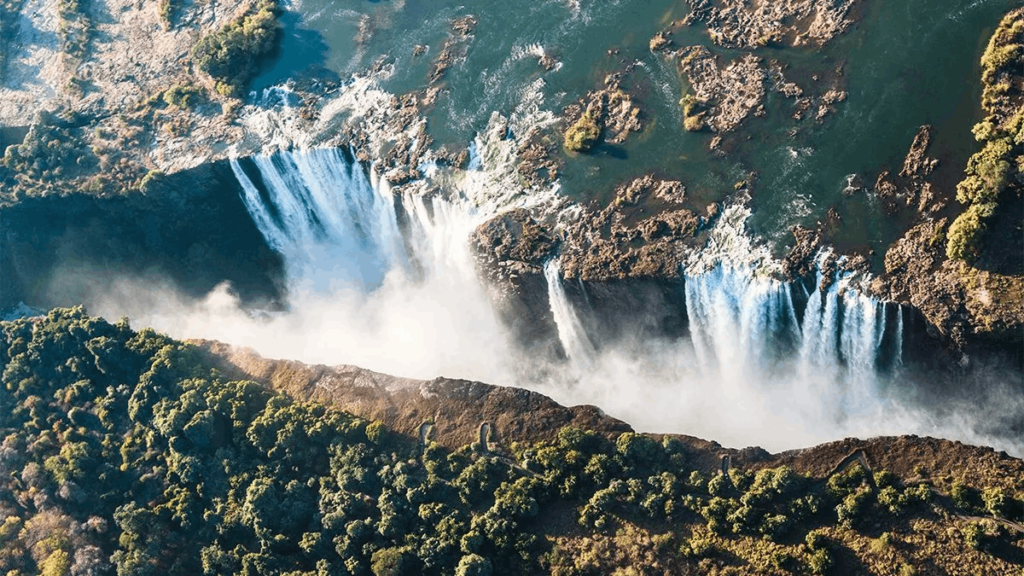
October is the warmest and driest month in Victoria Falls, with daytime temperatures frequently surpassing 35°C (95°F). The Zambezi River is at its nadir, providing optimal conditions for exhilarating activities like as white-water rafting, bungee jumping, and Devil’s Pool. Although the waterfalls are less voluminous, the revealed rock formations and striking cliff edges provide a fresh viewpoint. Wildlife observations are at their zenith, particularly in proximity to aquatic habitats within the adjacent parks.
November signifies the shift from the arid to the rainy season. The initial rains commence, causing the Zambezi to ascend once more. The terrain rapidly becomes verdant, and temperatures persist in their warmth. While certain adventurous activities may continue at the beginning of the month, Devil’s Pool is likely to close later owing to increasing water levels. November is regarded as a shoulder season, characterized by reduced crowds and diminished prices, rendering it an astute option for adaptable visitors.
By December, the rainy season had fully resumed, delivering intense afternoon downpours and a verdant, thriving landscape surrounding the falls. Water levels are rising, but mist has not yet attained maximum density, resulting in satisfactory visibility at the beginning of the month. This is a less busy travel season, providing increased lodge availability and reduced costs. Cultural excursions, aerial sightseeing, and leisurely sunset cruises continue to be favored despite the inclement weather.
Summary Table of the Best time to Visit Victoria Falls Month By Month
| Month | Water Levels | Weather | Best For | Notes |
|---|---|---|---|---|
| January | High | Hot and rainy | Lush scenery, photography | Mist reduces visibility; rafting closed |
| February | Rising | Humid, frequent showers | Aerial views, dramatic photos | Devil’s Pool closed; limited water activities |
| March | Peak high | Warm and wet | Full waterfall power | Poor visibility due to mist |
| April | Maximum flow | Less rain, still humid | Helicopter rides, thunderous falls | Rafting/swimming not available |
| May | Receding | Dry and cool mornings | Clear views, photography | Falls still strong, less mist |
| June | Moderate | Dry and mild | Game drives, walking tours | Rafting resumes in some sections |
| July | Lower | Cool mornings, warm days | Safaris, river cruises | Excellent visibility, clear skies |
| August | Low | Warm and dry | Devil’s Pool, adventure sports | Best overall month for balance |
| September | Very low | Hot and dry | Devil’s Pool, rafting | Peak safari season |
| October | Lowest | Very hot and dry | Rafting, bungee jumping | Extreme heat, low mist |
| November | Rising | Hot, first rains | Shoulder season, green scenery | Low crowds, variable water levels |
| December | Increasing | Hot and rainy | Lush views, quiet travel | Devil’s Pool may close mid-month |
What are climates and seasonal variations on visit Victoria Falls?
When organizing a visit to Victoria Falls, comprehending the area’s unique temperatures and seasonal fluctuations is essential for optimizing your experience at this magnificent natural marvel. Victoria Falls is situated on the border between Zambia and Zimbabwe, and its climate is affected by a subtropical environment marked by distinct rainy and dry seasons.
The dry season (May to October)
This timeframe is typically regarded as the optimal period to visit the falls. Anticipate agreeable temperatures between 15°C (59°F) at night and approximately 30°C (86°F) during the day, accompanied by clear skies and reduced humidity. The Zambezi River’s water levels diminish, revealing a stunning vista of the falls as they transform into an imposing curtain of cascading water. The arid months provide optimal conditions for wildlife observation, as animals gather around diminishing water supplies. The clear circumstances augment every experience, whether hiking in the nearby national parks or partaking in a sunset boat on the river.
The rainy season (November to April)
This season introduces significant transformations. The region has substantial precipitation, especially from January to March, resulting in the Zambezi River inundating and the falls attaining their maximum flow. Although this is a remarkable spectacle, with rainbows spanning through the mist and the thunderous sound of the falls resonating for kilometers, it may also result in obstructed vistas and a significant spray that could moisten your attire and camera equipment. Temperatures may reach the upper 30s°C (exceeding 100°F), necessitating adequate hydration and the use of sun protection. This season is optimal for adventure seekers; white-water rafting and bungee jumping are exhilarating activities when the river is at capacity.
Shoulder seasons (April and November)
The periods preceding and after the extremes of the rainy and dry seasons are sometimes disregarded, yet possess their own allure. April signifies the shift from the wet season, allowing for views of the waterfalls at their peak while experiencing milder temperatures. Simultaneously, November heralds the dry season, presenting a distinctive amalgamation of verdant foliage remaining from the rains and the increasing warmth, rendering it a visually captivating period for visitation.
Recommended Victoria Falls Safari Packages
1 Day Victoria falls tour
5 days Victoria Falls and Chobe safari
4 Days Zambia safari
6 Days best Zambia Elephant Safari
1 Day chobe National park tour
4 Days Zambia safari
Frequently Asked Questions About Visiting Victoria Falls
When is the best time to visit Victoria Falls for activities?
The dry season, spanning from June to October, is suitable for several activities. This period marks the opening of Devil’s Pool, the peak season for white-water rafting, and optimal weather for safaris. Visibility is great, and meteorological conditions are predominantly arid and pleasant.
When is the Best Time to Visit Victoria Falls at full flow?
The best time to observe Victoria Falls at its most formidable is from March to early May, coinciding with the Zambezi River’s maximum water level. The waterfalls expand broadly and thunder with immense power throughout this time. Nevertheless, the dense fog may hinder complete vision at certain vantage locations.
Is visiting Victoria Falls better in the dry or wet season?
Each season presents distinct benefits. The wet season, from November to April, presents the waterfalls at their maximum flow, enveloped by verdant landscapes. The dry season (May to October) provides enhanced visibility, improved trail accessibility, and a greater variety of activities such as rafting, bungee jumping, and swimming in Devil’s Pool.
Can you visit Victoria Falls all year round?
Victoria Falls is open and accessible throughout the year; nevertheless, the experience varies with the seasons. Certain months are more favorable for observing the falls, but others are optimal for adventure, wildlife, or photography. The outcome is contingent upon your interests and expectations.
Is Victoria Falls safe to visit during the rainy season?
Victoria Falls is indeed safe to visit during the rainy season. Nevertheless, certain outdoor activities may be restricted owing to elevated water levels or treacherous circumstances. The mist from the falls sometimes impair vision at viewpoints, particularly in March and April.
When is the best time to visit Devil’s Pool?
Devil’s Pool operates from approximately mid-August to early January, at which time water levels are sufficiently low to for safe swimming. Guided excursions to the pool commence from Livingstone Island on the Zambian side of the falls.